NASA lists free Astrobiology Math problem set for grades 6-12+
NASA lists a free English problem set and guide for grades 6-12+ that applies mathematics to astrobiology topics. The official page describes 75 problems and several suggested instructional uses, but does not establish the resource’s original publication date, revision history or classroom impact. [1]

NASA’s HEAT education resource catalogue lists Space Math at NASA: Astrobiology Math, a free English-language problem set and educator or facilitator guide for learners in grades 6-12+. NASA says the set uses 75 mathematics problems to introduce astrobiology-related subjects, including the Drake Equation, habitability and extrasolar planets. [1]
01
02
Learner levels listed by NASA
The page identifies intermediate grades 6-8 and advanced grades 9-12+ levels.Problems in the set
NASA describes the guide as containing 75 math problems.Cost and language
The resource page lists the material as free and in English.Download format
NASA provides a PDF download. The page labels it Sep 1, 2026, without explaining whether that is a publication or update date.Details shown are taken from NASA’s resource listing. [1]
03
What NASA lists
The NASA page categorizes the resource for intermediate and advanced learners. It identifies both a math problem set and an educator/facilitator guide, and lists a broad range of quantitative skills. [1]
- Intermediate level: grades 6-8.
- Advanced level: grades 9-12+.
- Material types: math problem set and educator/facilitator guide.
- Listed mathematics skills include ratios, graphing, scale, arithmetic, measurement, functions, logarithms, geometry, calculus, algebra, conversions and percentages.
04
Topics and intended use
According to NASA, the 75 problems connect quantitative reasoning with astrobiology concepts. NASA suggests educators may incorporate the exercises into lesson plans as supplementary activities, homework or structured group problem-solving. These are the agency’s proposed uses; the listing itself does not establish educational outcomes. [1]
- The Drake Equation.
- Habitability.
- Extrasolar planets.
- Cross-curricular mathematics, biology and astronomy contexts.
05
Access and what to verify
The primary listing includes a PDF download and credits SpaceMath@NASA and Dr. Odenwald. Before relying on a particular problem or curriculum alignment, readers should consult the PDF because the supplied page provides a summary rather than the complete problem text. [1]
- Primary page: NASA Science, “Space Math at NASA: Astrobiology Math.”
- Available download: PDF, listed as 4.87 MB.
06
Using the resource
NASA presents the material as a flexible supplement rather than a full curriculum. Teachers or facilitators can review the downloadable guide and select exercises that fit existing mathematics or science lessons. [1]
- 01
Use individual problems as supplemental lesson activities.
- 02
Assign selected exercises as homework.
- 03
Use the step-by-step problems for group work.
- 04
Check the PDF directly for the precise exercise content before planning a lesson.
07
Limits of this edition
NASA’s listing does not give the resource’s original publication date or revision history. [1]
The downloadable PDF is labeled “Sep 1, 2026” on the page, but NASA does not clarify whether that date marks publication, upload or an update. [1]
The available evidence does not include the full PDF contents or an independent assessment of classroom results. [1]
No Armenian-language edition, Armenia-specific access information or local implementation details are provided. [1]
SRC
Source desk
Direct links to the material behind this selection. Seeing the source matters as much as reading the synthesis.
Keep exploring

1 Sept 2026
NASA records ribbon cutting for completed DSS-23 antenna at Goldstone
NASA’s Photojournal documents a ribbon-cutting ceremony for the recently completed DSS-23 antenna at Goldstone on 25 August 2026. NASA describes it as the latest addition to a project planned to add six 34-meter multifrequency antennas, but the entry does not confirm an operational start date, mission use, cost, or quantified capacity effect. [1]
2 Sept 2026
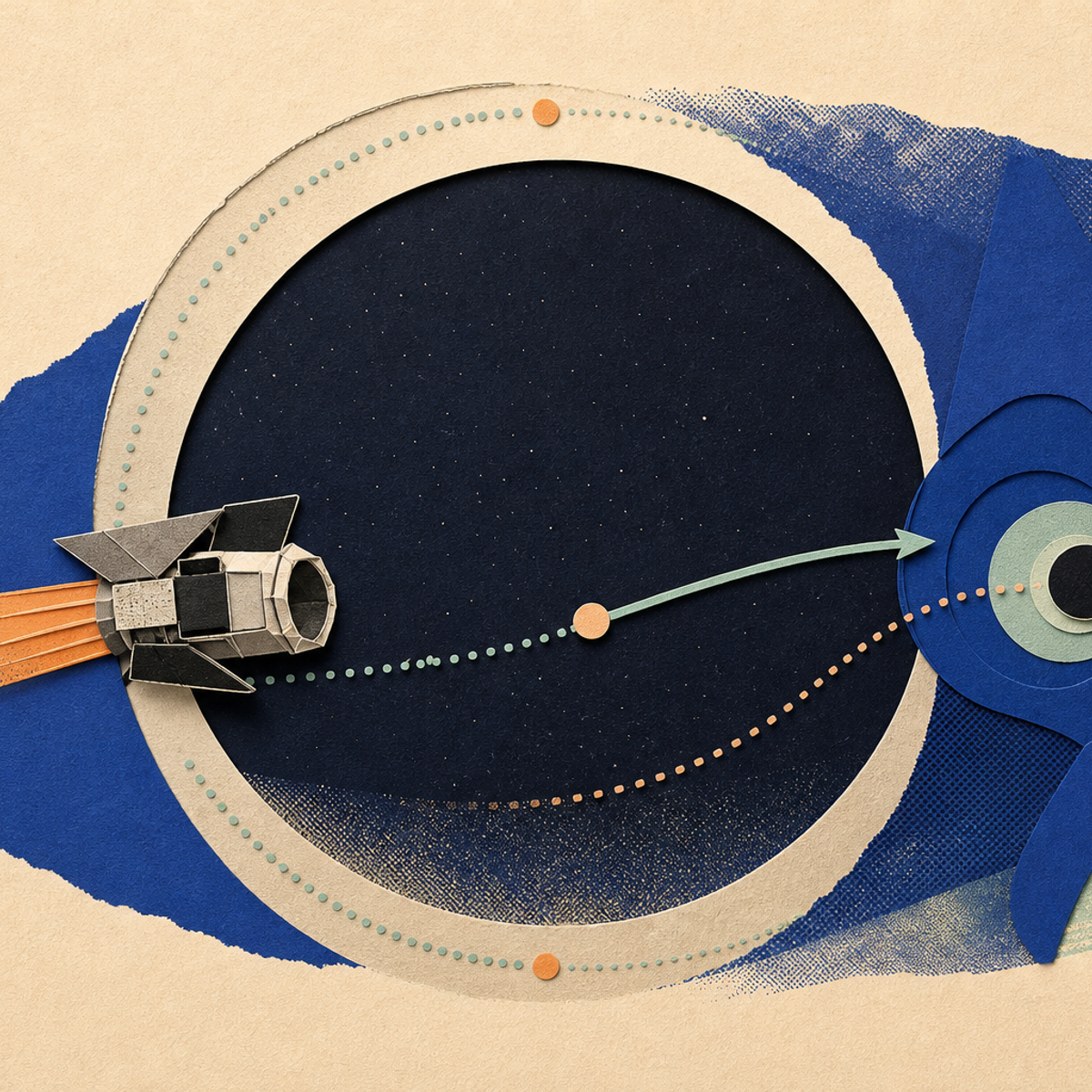
NASA reports Roman’s first course-correction burn on route to L2
NASA says Roman completed its first mid-course correction burn on August 31, 2026, as part of its transit toward L2. The agency projected insertion about 100 days after launch, but the supplied record does not confirm later maneuvers or arrival.
1 Sept 2026
NASA lists Ad ASTRA astrophysics workshop with virtual participation
NASA lists its Ad ASTRA astrophysics workshop for 1-3 September 2026 in Pasadena and online. In-person registration is closed; a virtual-only route is listed, but availability after the 31 August deadline is not confirmed.